Recent activity from the United States Coast Guard underscores a clear reality for vessel owners: enforcement is intensifying, and compliance is more important than ever. This moment serves as a timely reminder that 2026 USCG Documentation Requirements can be both administrative as well as essential for lawful and uninterrupted operation on U.S. waters. The San…
To legally operate a vessel for commercial shipping in the United States, the primary requirement is US vessel documentation issued through the National Vessel Documentation Center (NVDC). This federal documentation serves as official proof of ownership, nationality, and authorization to engage in specific maritime trades. For qualifying vessels, it is a legal necessity that determines…
Eight miles off the coast of Miami, a fast-moving vessel cut across open water in a way that immediately drew attention. Within minutes, a Coast Guard cutter closed in, boarding teams prepared to deploy, and another maritime interdiction unfolded. It may not seem like it, but incidents like this highlight how Coast Guard documentation plays…
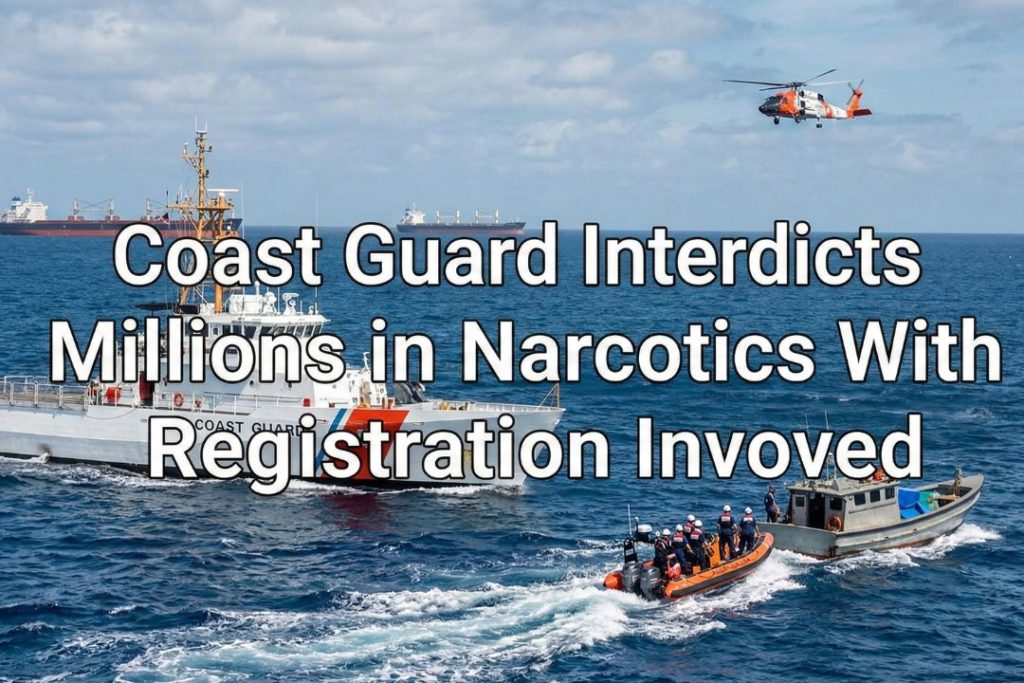
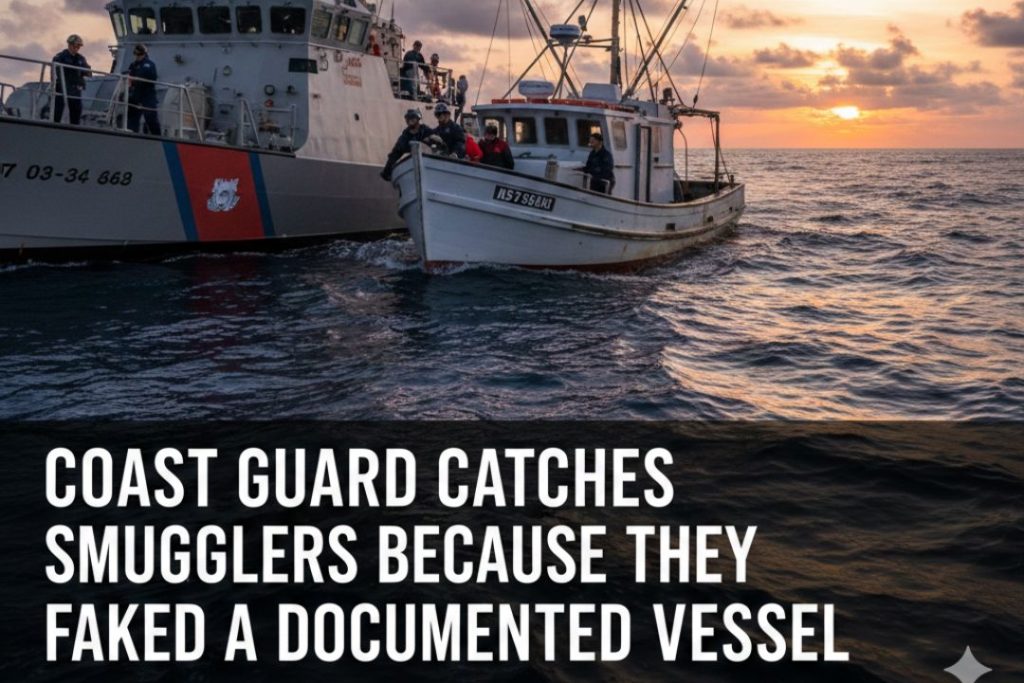
When federal authorities intercept suspicious activity at sea, paperwork can be just as important as radar, patrol boats, or aircraft. In a recent interdiction reported by the U.S. Coast Guard and partner agencies, smugglers attempted to blend into legitimate maritime traffic by presenting themselves as a Coast Guard documented vessel. Fortunately, they were caught. The…
A properly secured MARAD waiver can open the door for certain foreign-built small passenger vessels to operate in U.S. waters. However, the process is evolving. At the National Documentation E-Portal, our service simplifies the documentation portion of that process, helping vessel owners file accurately and efficiently when it is time to move forward. “Tagged and…
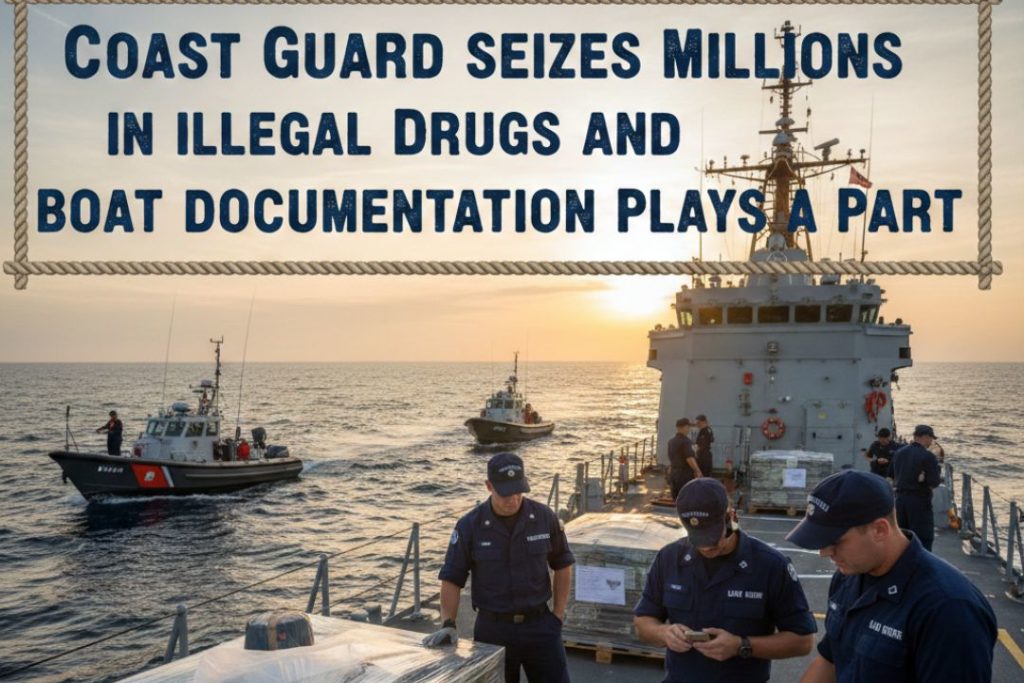
In February 2026, the United States Coast Guard announced a major narcotics offload valued at $133 million, reinforcing the reality that maritime enforcement is both complex and constant. It may seem unlikely, but boat documentation is a significant part of how the Coast Guard enforces the law and how boat owners can protect themselves. For…
Operating a documented vessel in U.S. waters carries federal obligations that cannot be ignored. A valid Certificate of Documentation, for vessels that need one, is more than an administrative formality. It is a legal requirement for many vessels engaged in commercial trade and certain recreational activities. When that requirement is overlooked, the consequences can escalate…
Operation Pacific Viper has reshaped how maritime enforcement operates across the Eastern Pacific and beyond. During heightened enforcement activity, having Coast Guard registration in place is not just administrative work. It is foundational to lawful navigation and smoother interactions at sea. Operation Pacific Viper and Enforcement Operation Pacific Viper, (described here in this news release),…
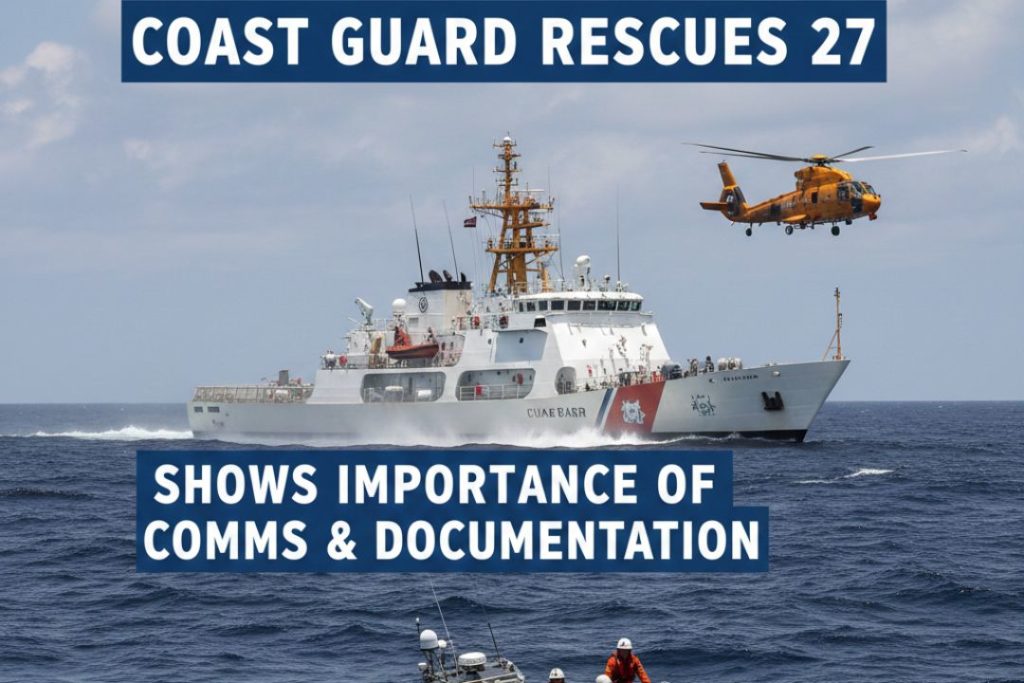
When 27 mariners abandoned a burning fishing vessel nearly 500 miles offshore, survival depended on clear communication, rapid coordination, and accurate vessel information. That rescue, coordinated by the U.S. Coast Guard, underscores how Coast Guard documentation supports search and rescue efforts. The La Pena Incident and the Reality of Distance at Sea The Coast Guard’s…
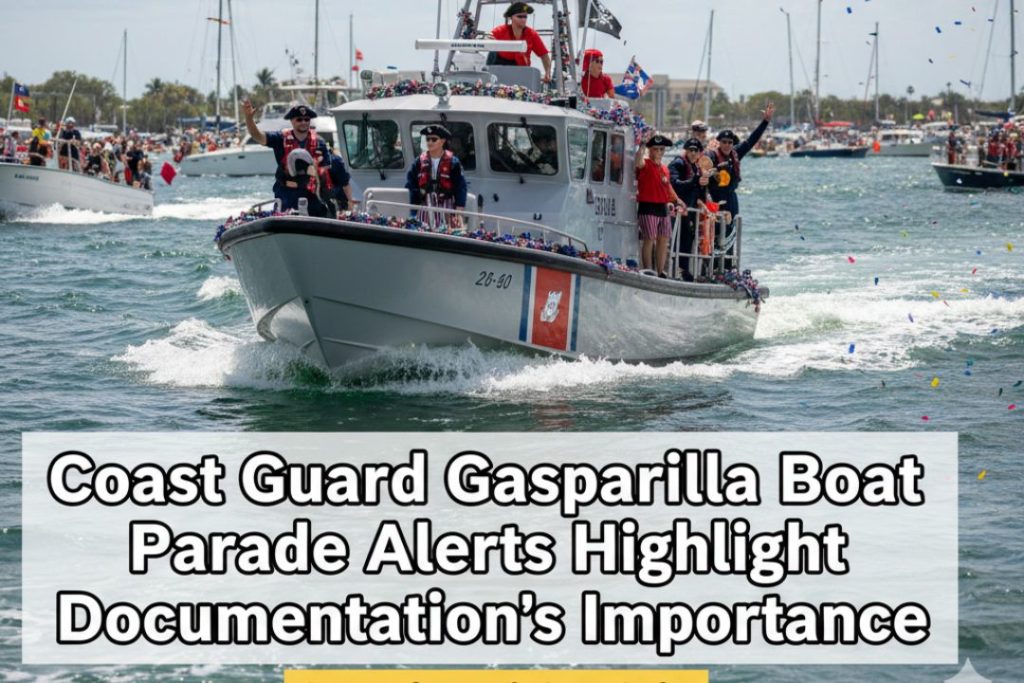
The Coast Guard’s recent alert regarding Gasparilla outlines strict safety zones, enhanced boarding authority, and targeted checks for commercial compliance. Each of these elements connects directly to federal boat documentation standards. Every year, the Gasparilla Boat Parade transforms Tampa Bay into one of the most crowded and closely monitored waterways in the country. With thousands…