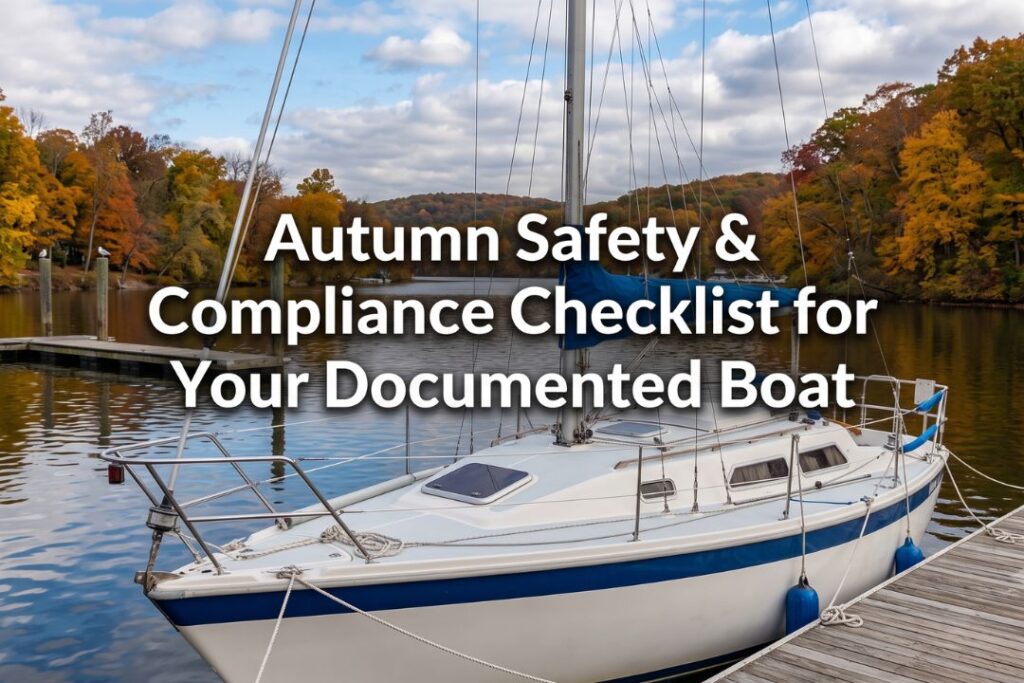
Autumn offers some of the most rewarding boating opportunities of the year. Crisp air, lighter marina traffic, and beautiful coastal scenery make it an appealing season to get out on the water. At the same time, changing weather patterns, cooler temperatures, and shorter days create new responsibilities for vessel owners. If you operate a documented boat, preparing for these seasonal changes can help you enjoy your time on the water while remaining compliant with federal documentation requirements.
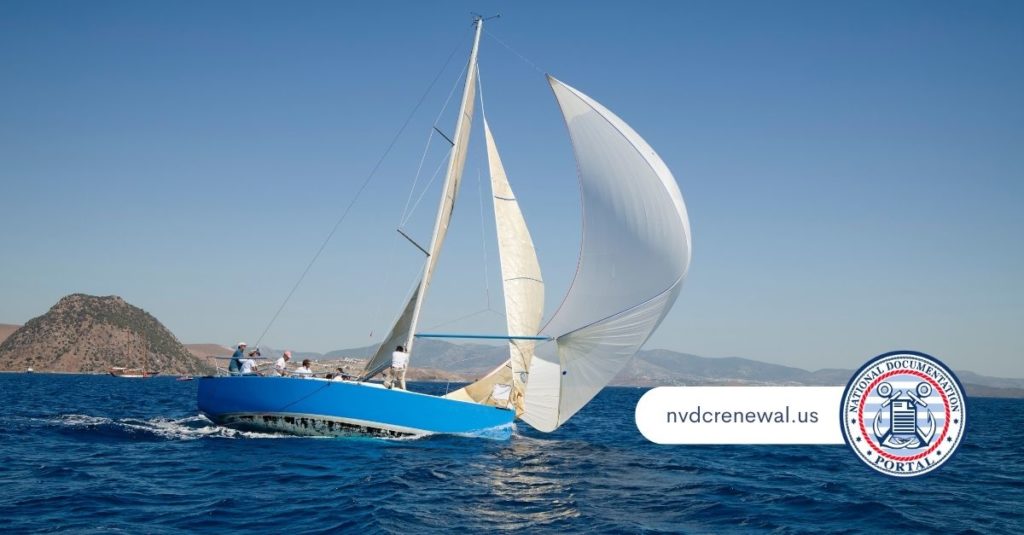
Navigating Unpredictable Autumn Waters in Your Documented Boat
Autumn weather is known for changing quickly across American waterways. Coastal conditions that seem calm in the morning may become significantly more challenging by afternoon. Inland lakes and rivers also experience seasonal transitions that can affect visibility, water temperatures, and navigation.
Across different regions of the country, fall presents unique conditions.
- Atlantic coastal waters may experience stronger northeasters and rapidly developing storms.
- Pacific boating areas often see larger ocean swells as seasonal weather systems become more active.
- The Great Lakes can produce sudden gales that create hazardous waves with little warning.
- Gulf Coast boaters may still encounter late-season tropical systems.
- Inland reservoirs often experience dense morning fog as overnight temperatures fall.
These seasonal patterns make voyage planning especially important before leaving the dock.
Preparing before departure includes reviewing multiple factors that affect your trip.
- Current marine forecasts
- Wind direction and expected changes
- Wave heights
- Water temperatures
- Sunrise and sunset times
- Visibility forecasts
- Harbor conditions
Taking a few extra minutes to review changing conditions can contribute to a safer outing throughout the season.
Prepare Before Every Autumn Departure
Autumn boating often requires additional equipment beyond what may have been sufficient during summer months. Cooler water dramatically increases the risks associated with unexpected emergencies.
Before departing, verify that essential safety equipment is readily accessible.
- Coast Guard-approved life jackets for everyone onboard
- Throwable flotation device
- Fully charged communication equipment
- Working navigation lights
- Sound-producing device
- Visual distress signals that have not expired
- Fire extinguishers in proper operating condition
- First-aid supplies
- Emergency blankets or cold-weather clothing
- Flashlights with fresh batteries
It is also helpful to verify that everyone aboard understands where safety equipment is stored before leaving the marina.
Crew awareness becomes even more valuable during autumn because changing conditions may require faster responses than during calmer summer weather.
Keeping Coast Guard Documentation Current
Operating legally involves more than preparing your vessel mechanically. Federal documentation requirements remain important regardless of the season.
One important item to review before any fall voyage is your Certificate of Documentation. Vessel owners should verify that the document remains current and that the original signed certificate is available onboard whenever required.
If your expiration date is approaching, completing your boat documentation renewal before heading out for extended fall cruising can help avoid unnecessary complications. Filing online gives vessel owners a convenient option for submitting eligible documentation applications without mailing paper forms.
At the National Documentation E-Portal, we provide an online filing portal designed to simplify the application process for Coast Guard documentation services.
Keeping documentation current may help reduce delays if your vessel is boarded during routine Coast Guard enforcement activities.
Documents Worth Reviewing Before the Season Changes
Autumn is also an excellent opportunity to organize important vessel records. Having paperwork readily available makes future filings easier and allows owners to verify important vessel information whenever needed.
Depending on your circumstances, documentation may include:
- Current Certificate of Documentation
- Previous documentation records
- Mortgage-related documentation when applicable
- Bills of sale
- State registration information, if required
- Insurance paperwork
- Emergency contact information
Organizing these records before the busy holiday season can make future documentation transactions more straightforward.
Documented Boat Compliance Before Leaving the Dock
Federal documentation requirements extend beyond simply possessing current paperwork. Owners should also verify that required information displayed aboard the vessel remains consistent with official records.
Before your next trip, consider reviewing:
- Vessel name displayed on the exterior
- Hailing port shown on the vessel
- Legibility of required markings
- Accuracy of ownership information
- Certificate availability onboard
- Documentation expiration date
Federal regulations governing documented vessels are outlined in Title 46 of the Code of Federal Regulations.
Taking time to review these details before heading onto federal waters can help ensure that your vessel continues meeting documentation requirements while allowing you to focus on enjoying your time on the water.
Autumn Maintenance Helps Prevent Future Problems
As boating activity begins slowing in many parts of the country, autumn provides an excellent opportunity to inspect systems that worked hard throughout the summer.
Routine maintenance can identify small issues before they become larger repairs during winter storage or the next boating season.
Areas commonly inspected include:
- Battery condition
- Bilge pumps
- Electrical systems
- Fuel lines
- Engine fluids
- Cooling systems
- Steering components
- Navigation electronics
- Anchor equipment
- Dock lines
Inspecting these systems before colder temperatures arrive may reduce the likelihood of unexpected mechanical issues during late-season boating trips.
In addition to mechanical inspections, many owners also review ownership records before planning future transactions. If ownership changes are anticipated, preparing for a future Transfer of Ownership of a documented vessel can be easier when existing documentation is organized and readily available.
Inspect Required Hull Identification and Federal Markings
Autumn is an ideal time to verify that federally required vessel markings remain accurate, visible, and consistent with your Coast Guard documentation. Seasonal cleaning, maintenance, or haul-outs often provide better access to these areas than during the busy summer boating season.
Owners should confirm that required information remains properly displayed throughout the vessel.
- The vessel name matches current documentation.
- The hailing port is displayed correctly.
- Required lettering remains legible.
- Permanent markings have not become damaged.
- Interior identification remains intact.
- Nothing has been altered during recent repairs.
Federal documentation regulations include specific marking requirements that documented vessels must continue to meet. Reviewing these items periodically helps owners identify any issues before returning to the water for another trip.
Preparing for Seasonal Storage
Even if you intend to continue boating into late autumn, preparing for colder weather helps protect both your investment and your documentation records.
Many owners gradually transition from frequent outings to occasional use before winter arrives. During this period, it is helpful to inspect both the vessel itself and the paperwork associated with ownership.
Some seasonal preparation tasks include:
- Removing unnecessary moisture from storage areas.
- Cleaning interior compartments.
- Inspecting weather seals.
- Checking dock lines for wear.
- Verifying battery condition before storage.
- Confirming navigation equipment is securely stored.
- Reviewing emergency supplies.
- Protecting important documentation from moisture.
Proper organization before winter often makes spring commissioning far less stressful.
Keep Important Ownership Records Organized
Maintaining organized records can simplify future documentation transactions whenever they become necessary. Rather than searching for paperwork months or years later, storing documents together helps owners locate information quickly. That way, you can spend more time on your documented boat and less searching for lost forms on land.
When historical ownership information is needed, an Abstract of title may provide important documentation regarding recorded ownership history (which you can find through a vessel documentation search) and certain recorded encumbrances associated with a federally documented vessel.
Weather Awareness Should Continue Throughout Every Trip
Checking conditions before departure is important, but autumn weather can continue changing while you are already underway.
Conditions may evolve because of:
- Passing cold fronts.
- Increasing afternoon winds.
- Changing tidal currents.
- Developing fog.
- Falling air temperatures.
- Reduced daylight.
- Offshore storm activity.
Staying aware of updated marine forecasts throughout the day allows captains to make informed navigation decisions when conditions become less favorable.
Planning alternate routes and identifying nearby safe harbors before departure can also help reduce stress if weather deteriorates more quickly than expected.
Additional Steps Every Documented Boat Owner Should Remember
Every boating season presents different challenges, but autumn often rewards preparation more than any other time of year. Taking a few extra moments before departure can help support both safety and regulatory compliance.
Before each outing on your documented boat, review items such as:
- Current weather forecasts.
- Fuel levels.
- Safety equipment.
- Navigation lights.
- Communication devices.
- Emergency contacts.
- Required onboard documentation.
- Crew readiness.
These simple reviews can become part of a consistent boating routine that supports enjoyable outings throughout the changing season.
Our Online Portal Makes Coast Guard Documentation Easier
Seasonal preparation is also a practical time to verify that your federal documentation remains current and that future filings can be completed efficiently when needed.
The National Documentation E-Portal provides a secure online portal that allows vessel owners to apply for eligible Coast Guard documentation services from virtually anywhere. Rather than navigating lengthy paper forms, applicants can complete many documentation filings online at their convenience.
Depending on your needs, our portal allows you to submit applications for services that include:
- Initial Coast Guard documentation.
- Documentation renewal applications.
- Ownership-related documentation filings.
- Preferred mortgage filings.
- Documentation reinstatement, when applicable.
- Other eligible Coast Guard documentation services available through our portal.
If you need to verify documentation information before submitting a future application, a vessel documentation search can help you review publicly available documentation records associated with federally documented vessels.
Stay Ready for Every Season on the Water
Autumn boating offers outstanding opportunities to enjoy America’s waterways before winter arrives. Preparing for changing weather, inspecting required markings, organizing important records, and maintaining current documentation all contribute to a more enjoyable experience throughout the season.
Whether you are planning one last coastal cruise or preparing your vessel for seasonal storage, taking care of documentation responsibilities before they become urgent helps keep your boating plans moving forward.
Our goal is to provide a straightforward online filing experience that helps simplify the documentation process while allowing documented boat owners to complete applications electronically.