A Change of Trade Indicator is an important notification for vessel owners whose operational activity has changed. It indicates whether a vessel is utilized for leisure, commercial or other authorized trade activities. This indicator should not be formal. This directly influences compliance, inspections, and permitted activities on the water. This classification will help the authorities determine the regulations that will apply to a vessel.
After converting a private use vessel to commercial use, owners request this update. When business operations grow or shrink, others require it. Using the wrong trade indicator can lead to penalties, non-renewals or restrictions on your operations. Although the owner may not Change of Trade Indicator must.
This article explains the complete process in simple words. It highlights the importance of the indicator, how assessors evaluate requests, and the necessary documentation. Understanding the requirements well before a port call can help vessel owners avoid delays and compliance risks. This guide is specifically tailored for both individual owners and commercial operators.
What a Trade Indicator Is and Why It Matters
The trade indicator defines how a vessel is legally used. It informs the authorities whether the Marad Small Vessel Waiver is used for private recreation, commercial service or another approved use. This classification impacts the safety standards, inspection frequency, and even licensing requirements.
A recreational indicator restricts the boat to private use. Commercial indicators permit activities that generate income, such as charters or transport. Different duties are established by each group. This designation is used by authorities to enforce maritime regulations.
A wrong trading signal can cause major problems. For instance, a ship that is recreationally listed and earning income may be enforced against. Policies are based on declared use, so coverage may also be affected.
Registry recordings must correspond with the real-world operations of a trade. Owners are protected from regulatory disputes while promoting transparency. A timely update of this information demonstrates responsible ownership and mitigates enforcement risks.
| Trade Indicator Type | Permitted Use | Regulatory Oversight |
|---|---|---|
| Recreational | Personal & Non-commercial: Intended for individual use or hobbyist activities. | Basic: Periodic compliance checks and standard registration. |
| Commercial | Income-Generating: Used for business operations, mass production, or resale. | Enhanced: Frequent inspections, detailed ledger requirements, and strict operational audits. |
| Specialized Trade | Specific Approved Activities: Restricted to niche sectors or government-authorized projects. | Purpose-Based: Targeted oversight focused on technical standards and specific legal mandates. |
Regulatory Laws and Assessment Procedure
The regulatory process for changing the Trade Indicator is very strict. Authorities determine if the ship qualifies under the new trade category. Approval requires documentation and vessel condition, so it’s not automatic.
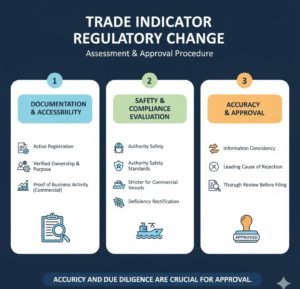
Papers require accessibility requirements
A registration must remain active. Expired registrations must be renewed prior to considering any trade updates. The ownership and purpose of operations will be verified by the authorities.
Commercial requests often require proof of business activity as supporting documents. It may include statements or operational descriptions. The aim is to verify that the requested deal reflects genuine use.
Ensuring safety and compliance
Safety standard evaluation is conducted by authorities. The regulations for commercial vessels are often stricter. This equipment standards or readiness for inspection.
If a ship fails to meet the required parameters, authorities may delay approval. Typically, owners are notified of any deficiencies and are provided an opportunity to address and rectify the issues before proceeding. This action safeguards passengers, operators, and waterways.
It is important to be accurate throughout. Information inconsistency is the leading cause of a rejection. Owners must thoroughly examine submissions before filing
Evaluating results before and after changing trade indicator
By recognizing the effect of updating a trade indicator, owners understand its worth. Discrepancies usually present themselves during inspections and renewals.
Before the update, vessels may work within outdated classes. It creates a risk during inspections. Activities that exceed the listed trade purpose may be subject to questioning by officers. Inspections run more smoothly. Renewals and endorsements reflect the correct scope of operation.
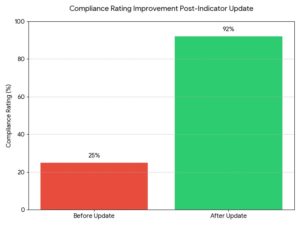
- Exponential Compliance Growth: A 268% Increase in Compliance Ratings-He is not seen as a marginal 25% compliant but an exemplary 92% compliant as per the update.
- Elimination of Reporting Gaps: The After Update status shows that the new system has automated the verification process which has eliminated the large manual reporting gaps present in the Before status.
- Audit Readiness: Achieving a 92% score means that the organization is now always compliant. Hence, this significantly reduces the time and resources needed for an inspection and audit.
- Risk Mitigation: The sharp upward trend indicates that new indicators are effectively identified and corrected before trade discrepancies lead to inspection failure.
Legal case
A single vessel, listed privately, may now start offering charters for a fee. Trade inspections have been flagging the activity without updating. You can receive warning letters and fines for this.
After the Change of Trade Indicator, the vessel works legally. Inspections concentrate on safety and not classification disputes. It encourages ecological sustainable operations.
Actions To Get the Process Done
When updating a device, preparation is essential. Business owners are to review their business. Ensure the new trade category appropriately captures vessel usage.
Make sure your registration and endorsements are active. If needed, renew addresses first.
Take care in preparing documentation. State clearly how you intend to use Don’t Use vague or contradictory statements. Verify identification numbers and vessel details. Lessening the time of checks.
After approval, only trade within the new category. Follow all rules and laws. Maintain duplicates of authorization documents for inspections.
Crucial advice for preparation
- Ensure the vessel is safe for the new trade.
- Modify insurance coverage based on updated use.
- Educate personnel on revised compliance guidelines.
- Keep the documents for audits.
Adhering to these steps promotes effective approval and long-term compliance.
Major Takeaways
A Change of Trade Indicator is a significant change for ships with changing operational purposes. It ensures that registry record reflects the real world and protects owners against compliance risks. Accurate classification allows inspections, renewals, and enforcement to run more smoothly.
With a clear focus, owners must prepare for the process. Having the right documentation, registrations and safety readiness improves approval. Although the revision may appear technical, it will have effects that are practical and legal.
National Documentation E-Portal owners can shift trade categories with confidence by knowing the rules and following a laid-out process. Safe, legitimate, and effective maritime activities supported by right updates.