The importance of having a certified vessel documentation is vital. It helps prove your vessel ownership. It ensures that you remain compliant with federal laws. It also helps with marine transactions that take place within the boundaries of the United States. Maritime authorities, lenders and insurers, and boat owners rely on vessel documentation records to verify ownership history, mortgage status, and operational eligibility. You may view any vessel, whether commercial, recreational, or otherwise, as well-documented if it possesses a certified registration.
The federal documentation, unlike an ordinary state registration, creates ownership within the system of the United States Coast Guard. A significant number of commercial operators and yacht owners are gravitating towards federal documentation due to its ability to offer superior ownership transparency and enhanced recognition for a wider range of commercial operations. The document record of the vessel is equally relied upon by buyers and lenders in the financing review and ownership transfer.
The certified records assume great importance when the vessel is sold, refinanced, litigated and worked internationally. When you don’t have proper documentation, owners may face delays on financing approvals, insurance or ownership. Having neatly organized records minimizes difficulties while providing better assurance in business operations after a long period.
Above all, by understanding how a Certified Vessel Documentation will help owners manage the federal records more effectively and avoid the lengthy complication of whose vessel the government can claim more easily. The purpose of vessel documentation and certified documentation usage guide, differences between state registration of vessels, tips for keeping it practical, and updating your vessel documentation while under ownership.
Knowing the Reason for Certified Vessel Documentation
Federal vessel documentation creates an official ownership record maintained by the USGC. This system provides vessel ownership, operational status and financing information in a federal database.
Certificates demonstrate ownership, are preferable to registration systems that are simple, and may be considered more reliable by lenders, buyers, insurers and the ship. Commercial operators rely heavily on federal records because they often require documented status for their operating licenses and financing arrangements.
| Feature | Certified Vessel Documentation | Basic State Registration |
| Federal Recognition | Yes | No |
| Ownership Verification | Comprehensive | Limited |
| Mortgage Recording | Included | Varies by state |
| International Recognition | Strong | Limited |
The term “federal vessel ownership records” is often used during marine financing and transaction discussions because documented vessels have greater administrative certainty.
Various entities often depend on certified documents.
- Operators of commercial vessels.
- Owners of yachts.
- Funding organizations in marine field.
- Workers in shipping profession.
The system for Certified Vessel Documentation determines the priority of mortgages for lenders. Many regular borrowing arrangements do not provide the same legal protection as recording a mortgage federally.
Boat owners must be aware that documentation does not automatically replace every state requirement. You may be required to register for taxes or file compliance papers in some states.
Recorded status is valuable to commercial operators because charter licenses, fishing endorsement, and passenger operations often have federal review procedures that are related to vessel records.
The record keeping helps improve the resale of a boat because buyers usually prefer boats with organized ownership histories and verified federal records.
Instances That Require Certified Documentation
Many vessel owners recognize the value of federal documentation only when there is a significant transaction or legal event. Accurate certified records are often critical to financing, sales and compliance reviews.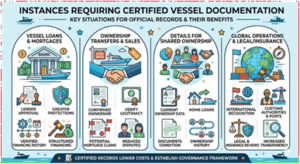
Vessel loan and mortgage registration
Before approving large financing arrangements, marine lenders often require documented vessel status. The federal documentation systems used by preferred ship mortgages provide lenders with greater protections.
The official records of ownership will contain mortgage claims as they are certified. The vessel’s financing history can be verified accurately by buyers and lenders on review.
Documents vessel financing is often seen in marine loan conversations, as a federally documented boat typically qualifies for better structured financing.
Ownership Transfers and Sale of Vessels
Typically, boat buyers want certified proof of ownership in advance. Confirmed records verify the ownership legitimacy and potential active mortgage claims in real estate.
Verification Details for Shared Ownership
The certified records may include.
- At present ownership information.
- Home loans.
- Documents condition
- Records of Ownership Throughout History.
The correctness of ownership history must be thoroughly verified due to its crucial role in ownership disputes as well as on hidden charges.
Global operations and travel
Vessels that operate internationally and that are documented often receive stronger ownership recognition abroad. Federal documentation is used frequently in inspections and operational checks by customs authorities and foreign ports.
The phrase “official vessel documentation records” is very common during international marine operations because certified ownership verification is regarded as very important in the regions.
Review of Legal & Insurance
Certified documentation is a crucial tool for maritime attorneys and insurance providers during claims, disputes, and policy evaluations. Records that are organized lower legal review fees and increase ownership transparency.
As a result, the Certified Vessel Documentation system assists with much more than mundane registration requirements. It establishes a long-term governance framework supporting vessel ownership and its operation.
Differentiating between Federal documentation and State registration
Many vessel owners question if federal documentation offers more than state registration. While both mechanisms create operational recognition, they diverge on a legal and administrative level.
Federal documents recognize ownership through Coast Guard documentation. The state registration systems cater to primarily local operational and tax compliance needs.
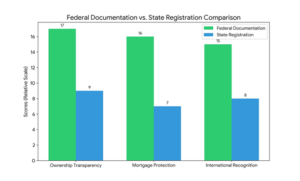
- A lender prefers federal documentation (as demonstrated by the Mortgage Protection score) due to the superior lender security it generally offers for marine refinancing and high-value transactions.
- Registration with a state may meet the operational criteria for minor recreational vessels operated for personal or pleasure use. Yet, this registration does not have the official status for a higher level of commercial certification and endorsement.
- The better records of mortgages and ownerships kept by most federal systems besides the state systems assure clarity of the transactions benefiting buyers and sellers in future negotiations.
Final thoughts on Certified Vessel Documentation
The marine industry’s owners find certified vessel documentation a valuable tool in ownership and compliance. Having federal documentation enhances the credibility and enhances the financing protection and ownership transparency of commercial and recreational vessels.
By learning about federal documentation, vessel owners can avoid financing issues, ownership conflicts, and administrative holdups. The management of ownership and operation over the long term improves with organized records, accurate filings and timely renewals.
Commercial operators benefit particularly from certified documents, as inspections, finance agreements and license approvals often depend on active recognition by the federal agency. Documented status also offers recreational yacht owners better resale opportunities and higher ownership verification.
Accurate vessel ownership details are a priority focus for the marine industry, as financing and operational standards become more sophisticated. Federal documentation is heavily relied upon by buyers, lenders, and insurers during transactions and compliance assessments as well as by port state inspectors.
Well-maintained federal records help boat owners position themselves for long-term success in the marine industry through the support and services provided by National Documentation E-Portal.