A properly secured MARAD waiver can open the door for certain foreign-built small passenger vessels to operate in U.S. waters. However, the process is evolving.
At the National Documentation E-Portal, our service simplifies the documentation portion of that process, helping vessel owners file accurately and efficiently when it is time to move forward.
“Tagged and Released”
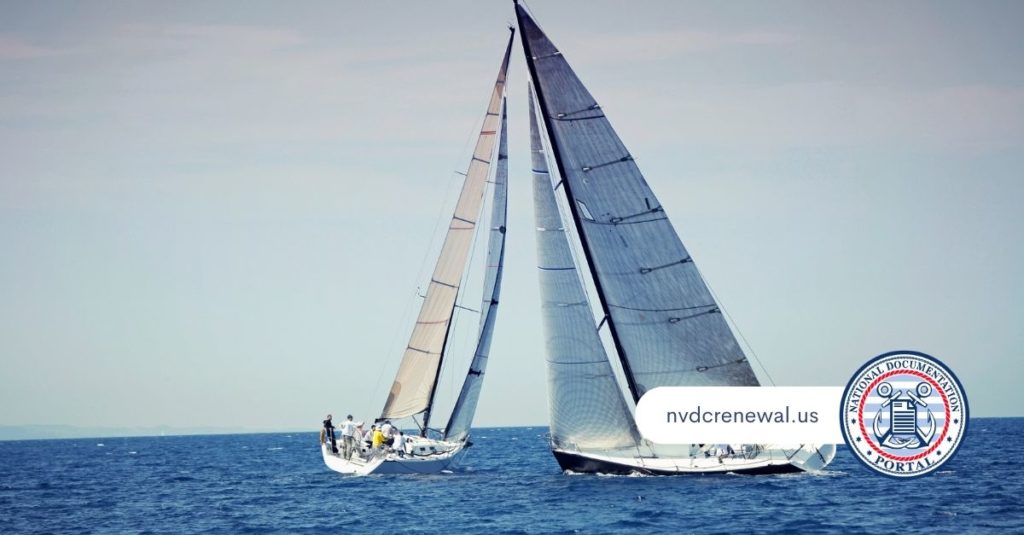
On February 18, 2026, a Federal Register notice (91 FR 7629) announced a request for the use of a foreign-built small passenger vessel in United States coastwise trade. The notice concerns Docket No. MARAD-2026-0134 and the vessel M/V “Tagged and Released.”
The request seeks a MARAD waiver under statutory authority that permits limited exceptions to the coastwise build requirement. This request also includes:
- A public comment period open through March 20, 2026
- A request to operate in coastwise trade despite foreign construction
The public comment window is a central part of the waiver process. Stakeholders, including U.S. shipbuilders and other interested parties, have the opportunity to submit comments addressing whether granting the waiver would create an undue adverse effect on domestic industry.
For vessel owners, this timeline creates urgency. If a waiver is granted, the next step is not optional paperwork. Instead, it is a formal application for federal documentation and endorsement.
That is where our portal becomes relevant. We provide access to the federal forms required for Coast Guard documentation, allowing you to file the appropriate applications once the administrative determination has been made.
Reasons Behind the 2026 MARAD Waiver Surge
The acceleration in waiver requests during early 2026 reflects a broader commercial reality. Demand for small passenger excursions, charter services, eco-tours, and specialty operations continues to grow in coastal and inland waters. For many operators, acquiring a foreign-built vessel is faster or more economically feasible than commissioning new construction in the United States.
At the core of this dynamic is a statutory tension.
Under the Jones Act, codified at 46 U.S.C. 55102, commercial vessels engaged in coastwise trade generally must be built in the United States. This long-standing requirement protects domestic shipbuilding and related industries. However, Congress also provided a narrow pathway for certain small passenger vessels to operate even if they were constructed abroad.
That pathway is found at 46 U.S.C. 12121, which authorizes the Secretary of Transportation, acting through the Maritime Administration, to grant a waiver for eligible small passenger vessels carrying 12 passengers or fewer.
This limited exception has become an economic catalyst for operators seeking to:
- Enter new regional markets
- Expand charter fleets
- Offer niche experiences
- Deploy specialized small vessels quickly
The “Undue Adverse Effect” Standard
A waiver is never automatic. MARAD must evaluate whether granting a request would cause an undue adverse effect on U.S. vessel builders or businesses that use U.S.-built vessels in coastwise trade.
This evaluation involves:
- Publication of the request in the Federal Register
- A public comment period
- Review of any objections from domestic industry participants
- A formal determination by the agency
If the agency concludes that the waiver would harm U.S. shipbuilders, it can deny the request. If it finds no such adverse impact, it may approve the waiver.
For vessel owners preparing to move from application to operation, it is essential to understand that a waiver addresses only one requirement: the build location. It does not:
- Exempt the vessel from inspection standards
- Remove manning obligations
- Replace federal documentation requirements
- Substitute for Coast Guard endorsement procedures
Once a favorable decision is issued, the owner must transition into the federal documentation phase. Our portal provides the necessary forms to complete that step properly.
Filing for Documentation After a MARAD Waiver Approval
After a MARAD waiver is granted, vessel owners must seek a Coastwise Trade Endorsement through the National Vessel Documentation Center (NVDC). This requires formal USCG documentation of the vessel.
Through our online portal, we provide streamlined access to the documentation applications needed to:
- Apply for initial documentation
- Add or modify endorsements
- Update ownership records
- Maintain compliance with federal filing requirements
This stage often requires supporting records, which may include an abstract of title if the vessel has an existing documentation history. Ensuring that ownership information and eligibility statements are complete and consistent is critical to avoiding delays.
Post-Approval Responsibilities and Ongoing Compliance
Securing a MARAD waiver does not conclude the regulatory journey. Instead, it transitions the vessel into the broader federal compliance system governing coastwise trade.
Owners must remain aware of:
- Inspection requirements applicable to small passenger vessels
- Compliance with U.S. Coast Guard safety standards
- Manning regulations
- Periodic filings and updates associated with documentation
In addition, documented vessels are subject to ongoing administrative obligations. For example:
- Filing a vessel documentation renewal to keep the Certificate of Documentation active
- Recording instruments such as a preferred ship mortgage, when applicable
- Updating ownership information following transfers or structural changes
Each of these steps involves formal filings with federal authorities. Our portal is designed to facilitate access to those required forms, reducing confusion about where and how to submit documentation.
The Waiver as Only Part of the Process
The phrase MARAD waiver often dominates conversations about foreign-built small passenger vessels. However, the waiver is best understood as a gateway rather than a destination.
From a regulatory standpoint, it accomplishes one specific objective:
- It waives the U.S.-build requirement for certain eligible vessels
It does not, by itself:
- Grant a Certificate of Documentation
- Authorize operation in coastwise trade absent endorsement
- Eliminate compliance with federal safety regimes
After approval, the owner must complete the documentation process to secure the appropriate Coastwise Trade Endorsement. Without that endorsement, operating in coastwise trade remains unlawful.
Our service supports vessel owners at this stage by:
- Providing digital access to required federal forms
- Organizing the application pathway for Coast Guard documentation
- Allowing submission in a structured and accessible format
We do not provide follow-up notifications or external services. Our role is limited to facilitating the documentation filing process itself.
Waiver Activity and Commercial Planning in 2026
The current surge in applications demonstrates how closely commercial operators are monitoring regulatory developments. Federal Register notices, such as the February 18, 2026 publication concerning M/V “Tagged and Released,” illustrate the public nature of the process and the significance of timing.
Operators evaluating their own eligibility should consider:
- Whether their vessel carries 12 passengers or fewer
- Whether it is foreign-built
- Whether coastwise trade is anticipated
- Whether the business model depends on U.S. coastal or inland routes
If a waiver is pursued and ultimately approved, immediate preparation for documentation filing is prudent. The transition between administrative approval and formal endorsement can be smoother when owners are ready with complete paperwork.
Documentation Strategy for Small Passenger Vessels
For small passenger vessel operators, documentation strategy should account for both initial filings and future changes. This includes:
- Ensuring ownership structure meets eligibility standards
- Confirming endorsement categories align with intended operations
- Maintaining current records to avoid lapses in documentation
When financing is involved, recording instruments such as a preferred ship mortgage may be necessary to protect creditor interests and maintain public record integrity.
As operations continue, vessel documentation renewal filings ensure that the Certificate of Documentation remains valid. Failure to renew on time can disrupt commercial activity.
Our online platform exists to make these required filings more straightforward. We provide access to the official forms needed for:
- Initial documentation
- Endorsement changes
- Renewal filings
- Recording of instruments
- Filing for an abstract of title and more
Staying Current With Federal Notices and Preparing for Action
Federal Register publications remain a primary source for public notice of waiver requests. The February 18, 2026 notice (91 FR 7629) for Docket No. MARAD-2026-0134 demonstrates how transparent the process is and how defined the timelines can be.
With comments open until March 20, 2026 in that case, interested parties have a limited window to participate. For vessel owners awaiting decisions, the period between publication and final determination can be critical for planning.
Once a waiver is granted, swift and accurate documentation filing becomes essential. Our service is structured to:
- Provide access to the necessary Coast Guard documentation forms
- Allow applicants to complete filings online
- Help ensure that required fields and attachments are included
The growing attention to the MARAD waiver process in 2026 signals continued commercial interest in small passenger operations across U.S. waters. For those navigating this regulatory terrain, understanding that the waiver addresses only the build requirement—and that federal documentation must follow—is central to operating lawfully and confidently in coastwise trade.
At the National Documentation E-Portal, we focus on that documentation phase. By offering streamlined access to required filings, we help vessel owners move from administrative approval to compliant operation with greater clarity and efficiency.